 Flat Roof Coatings
If you believe you'll be conserving the roof decking plywood (not changing it), then you might save yourself some cleanup difficulty by getting rid of the components initially and after that peeling up the rubber! Detail of water damage on camper roof. More water damaged areas on Recreational Vehicle roof decking. There was nothing actually dreadful that made me feel like I was going to fall through, but certainly a lot of damage and I was getting the feeling I would be replacing a great deal of the roof decking plywood.
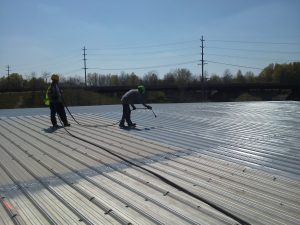 White-seal 100% Acrylic Elastomeric Reflective Roof
More Info: best roofers
I opted for the most basic one initially, a vent cap from a kitchen area sink pipes vent pipeline. Beginning to scrape caulk and sealant. I used a stiff scraper with a chisel-like blade and just started spying and cracking and scraping and hacking. There is no other way around this, you just need to begin digging up until you expose the screw heads.
Loosening the screws in vent cap. The screws on this vent cap were hex-head metal screws so I used a small socket motorist to eliminate them. Some came out tidy. Others were rusted and I had to use a vice-grip pliers to get the heads and turn them little bit by little.
I found an old wasp nest inside the vent cover. This is a sight I'll most likely need to get used to, discovering the remains of animal habitation in every nook and cranny. I invest a terrible great deal of my time producing good wildlife habitat in my lawn so I don't get upset when a creature selects to set up house in my RV.
How Long Does Elastomeric Roof Coating Last?
Fortunately no one was house in this old nest so I simply tossed it. Possibly I'll put a screen over it when changing it. Which brings us to the next point. You must try not to harm these pieces (like vent covers and caps) as you're scraping off the old caulk and sealant simply in case you need to utilize them once again.
(Think I'll discover when the roof is done!) Prying up the vent cap and getting rid of the last ring of rubber roofing system below. So I pried up the rest of the cap and scraped up the remaining rubber roof and butyl tape and putty and 25 years of other gunk and here's how it looks cleaned up.
 Roof Coat Elastomeric Coating Product Data Sheet
One down, 7 more components to go. Next I decided to tackle the only roof ventilation fan that my camper has. My roofing vent also had a vent cover over it. So I started scraping the gunk from those screws. Beginning on the roofing vent. Hardware exposed on roof vent cap, the first nut came off tidy.
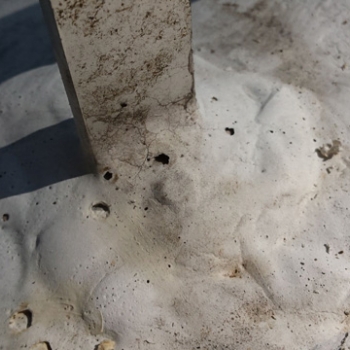 Proper Surface Preparation Is Essential Before Applying Roof
Bolt is spinning. The fasteners on this Recreational Vehicle roofing vent cover were nuts on small bolts. The first one came off fine with an extension socket set. The second one just started spinning, indicating the bolt was not repaired in place but turning in addition to the nut. Bummer. A peek at the hardware holding down the roofing system vent cover.
How-to: Apply Cool Roof Coating
I didn't have any excellent way to hold the bolt in location so instead I chose to saw through the bolts with a reciprocating saw. Sawing through bolts on roofing vent cover. I used a cordless reciprocating saw with a metal-cutting blade but it was challenging to get the blade flat enough to reach the bolts so near the roof deck. A lot of were so old and rusted that they sheared off when I unscrewed then with a great deal of force. Unscrewing the brackets that held the vent cover in location. Then I scraped more caulk and roof sealant off the flange of the roof vent itself. I quickly discovered there disappeared screws or hardware holding it down so I provided up on the scraping and went inside the Recreational Vehicle After roof maintenance - DCRoofingArizona.com scraping the caulk and sealant from flange of roofing vent, say goodbye to screws! Unscrewing the within cover plate of roofing vent fan in Recreational Vehicle bathroom.
A couple sheared off with a lot of force, however 2 wouldn't budge. So I had to drill out the screw heads. I chose a drill bit near the size of the shaft of the screws that I had actually already taken out and began drilling. Selecting a drill bit for drilling out a screw head.
Shatterproof glass advised. So I drilled out the heads, one popped off and the other I was getting frustrated with and provided it a tug before it was drilled through. Instead of popping off the screw head, the plastic simply melted away around the hot screw head. Whoops. Hope I don't need to reuse this cover.
If not, I'll require broader screw heads when re-assembling. Cover plate eliminated from roof vent. Next I discovered little corner brackets with hex-head bolts holding them in. I unscrewed them (all came out great luckily) and pulled out the brackets and little white plastic spacers. Loosening corner brackets in roof vent.
The Ultimate Guide To Rv Roof Coating
All corner brackets got rid of, all set to take out. Once the brackets were out I returned up leading to pry out the the roof vent. Then I scraped up all the remaining gunk and rubber roofing. Taking off the old roof vent. There are two wires going to the roofing vent (a black hot wire and a white neutral wire) that you'll require to clip to get rid of the old vent.